













For years, Granny has dominated the indie gaming landscape and the world of unblocked games as a punishing, terrifying staple of internet survival horror. Most casual players approach it as a frantic game of hide-and-seek, cowering in wardrobes and praying the titular antagonist wanders past. Yet, peeling back its crude exterior reveals an incredibly tight, mechanics-driven puzzle box. It is a fascinating juxtaposition of cheap scares and brilliant level design that demands to be thoroughly dismantled rather than simply survived.
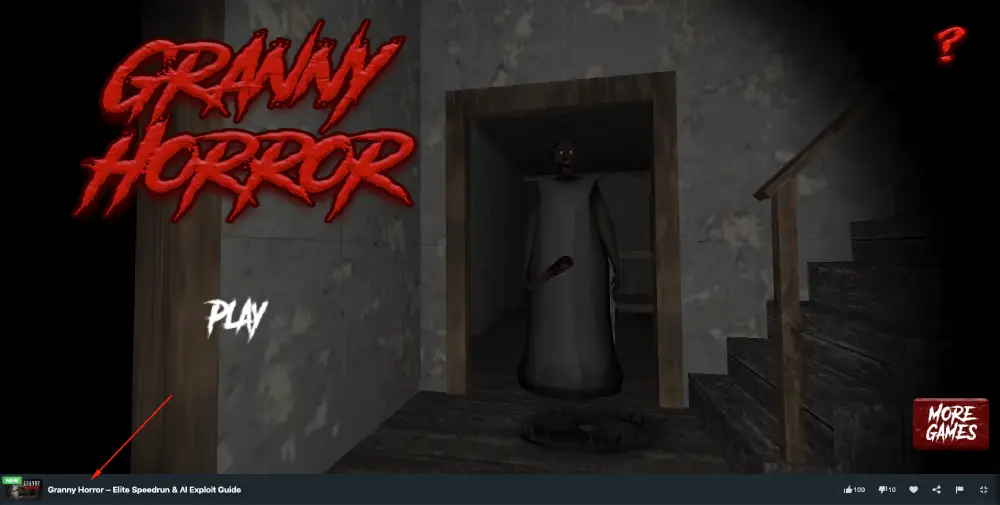
The Core Experience: From Prey to Apex Predator
At its heart, the gameplay loop traps you in a dilapidated house with complexly locked exits, scattered tools, and a relentless stalker. Initially, the pacing feels agonizingly slow and deeply oppressive, punishing those who let the game dictate the tempo. However, the true brilliance of the mechanical design emerges once you stop hiding and start observing. The underlying code operates on strict rules, transforming the entire house into a sprawling, high-speed escape room.
Progression relies heavily on randomly generated item locations, but the developers cleverly grouped these into predictable sequences. Checking just two key spots—like the bathroom sink or the basement shelves—within the first fifteen seconds informs a skilled player exactly where the cutting pliers or the hammer are hidden. This transforms the game from a terrifying ordeal into a hyper-optimized sprint, eliminating wasted footsteps and frustrating guesswork.
Further complicating this loop is the harsh inventory system. You can only hold one item at a time, turning routing into a massive tactical hurdle. Rather than carrying individual pieces across the map, the game encourages creating central stockpiles, forcing you to juggle gear by intentionally dropping it down laundry chutes. Whether you choose to rebuild the car to bypass the alarm systems or meticulously strip the main door’s wooden barricades, the progression curve is immensely satisfying. You evolve from a terrified victim completely at the mercy of the mechanics into a calculating predator exploiting them.
Oppressive Audio and the Uncanny Valley Vibe
Visually, the game is decidedly unpolished. The art direction leans heavily into muddy textures, flat lighting, and rigid animations. Ironically, this jarring, lo-fi aesthetic actively amplifies the creeping dread. It feels less like a modern release and more like navigating a cursed, forgotten piece of early 2000s software. The minimalist user interface offers absolutely zero hand-holding, keeping the visual focus entirely on the bleak, claustrophobic hallways and tight collision spaces.
Where the game truly excels, however, is in its masterful sound design. Audio is not just atmospheric dressing here; it is the fundamental language of survival. Every dropped vase, creaking floorboard, or clanging tool sends a direct, immediate signal to the AI’s strict pathfinding algorithm. The audio-visual feedback is incredibly stark, ensuring you always know the consequences of your physical presence in the house.
As you learn the layout, the eerie silence becomes your canvas. You stop fearing noise and start weaponizing the soundscape. Knocking over furniture on the second floor intentionally locks the pursuer into a predictable walking loop, allowing you to slip through the floorboards and raid the basement unchecked. This staircase baiting and pathing manipulation turns the act of making a loud sound—usually a fatal mistake in this genre—into a brilliant strategy for establishing complete map control.
What We Love
- Brilliant Audio-Driven AI: The strict acoustic pathfinding turns the enemy into a predictable but highly reactive threat, rewarding players who smartly manipulate the environment rather than hide.
- Highly Replayable Seed System: Because vital tools spawn in specific, identifiable patterns rather than pure randomness, the routing process feels remarkably rewarding to master and speedrun.
- Strategic Inventory Juggling: Limiting the player to a single item forces creative movement and intentional stockpiling, adding a satisfying layer of tactile puzzle-solving to the frantic escapes.
- The Speedrunning Renaissance: This game is blowing up right now because the wider community has realized it is fundamentally an optimization puzzle. Watching runners break the RNG patterns to execute sub-three-minute escapes turns a terrifying horror experience into an absolute mechanical spectacle.
- The Ultimate Bait-and-Switch: The feature that players love sharing the most is the sheer disrespect of intentionally dropping a heavy wrench on the attic floorboards, slipping just out of sight, and watching the AI blindly investigate the noise while the player effortlessly secures the final padlock key downstairs.
Screenshot Granny Horror game play on MiniWebGames.com
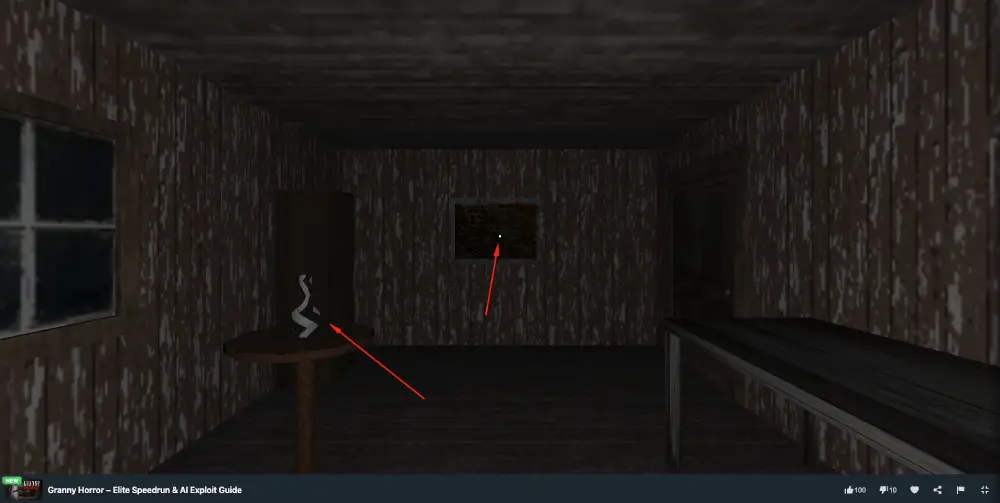
Completely breaking the house and leaving your pursuer wandering aimlessly while you slide the final deadbolt open offers an unmatched rush. Despite lacking a high-budget sheen, its tightly wound mechanics, punishing loop, and stark audio design create a highly compelling puzzle. It is a harsh, lo-fi labyrinth best tackled late at night, with the room completely dark and a good pair of headphones on to catch every single creaking floorboard.




Leave a Reply